The first summer I grew zinnias for cutting, I planted them too close together, forgot to pinch them, and still ended up with enough blooms to fill every jar in my kitchen for weeks. That experience taught me something important: growing cut flowers is far more forgiving than most people think. You don’t need acres of land or a horticulture degree. A sunny patch of backyard, some decent soil, and a handful of the right seeds will get you surprisingly far.
This guide walks through the entire process – from picking your spot and preparing the ground to harvesting stems that actually last in a vase. Whether you’re gardening in Zone 4 Minnesota or Zone 9 Texas, the fundamentals stay the same. Let’s dig in.
Why a cut flower garden is different from a regular flower bed
Most ornamental gardens are designed to look beautiful in the ground. A cutting garden, on the other hand, is designed to be harvested. That single distinction changes everything – plant selection, spacing, layout, and maintenance all shift when your goal is bringing blooms indoors.
In a cutting garden, you want:
- Long, sturdy stems – at least 12 to 18 inches – so flowers look proportional in arrangements
- Extended vase life – some flowers wilt within hours after cutting, while others hold up for 7 to 10 days
- Repeat blooming – varieties that produce more flowers the more you cut them
- A mix of roles – focal flowers, fillers, airy accents, and foliage for complete bouquets
Think of your cutting garden less like a display and more like a productive patch – rows work better than clusters, and beauty in the bed is secondary to beauty on the table.
Choosing the right spot (it’s simpler than you think)
Most popular cut flowers need one thing above all else: sunlight. Look for a spot that gets at least 6 to 8 hours of direct sun daily. South-facing areas tend to work well across most of the continental U.S.
Beyond sunlight, consider these factors:
- Wind exposure. Tall stems like delphiniums and snapdragons can snap in gusty spots. A fence, hedge, or building on the windward side helps.
- Water access. You’ll be watering regularly through summer. Being close to a hose bib saves time and frustration.
- Drainage. Standing water after rain is a red flag. Most cut flowers hate soggy roots. Raised beds solve drainage problems quickly.
- Proximity to your house. This one gets overlooked. If your cutting garden is a 5-minute walk away, you’re less likely to harvest at the ideal time – early morning – and less likely to notice pest problems early.
How much space do you actually need?
Here’s a number that surprises people: a plot as small as 4 feet by 8 feet – 32 square feet – can produce enough flowers for a fresh bouquet every single week from June through September. If you have more room, a 4-by-16-foot bed gives you the space to stagger plantings and grow a wider variety. But start small. You can always expand next year.
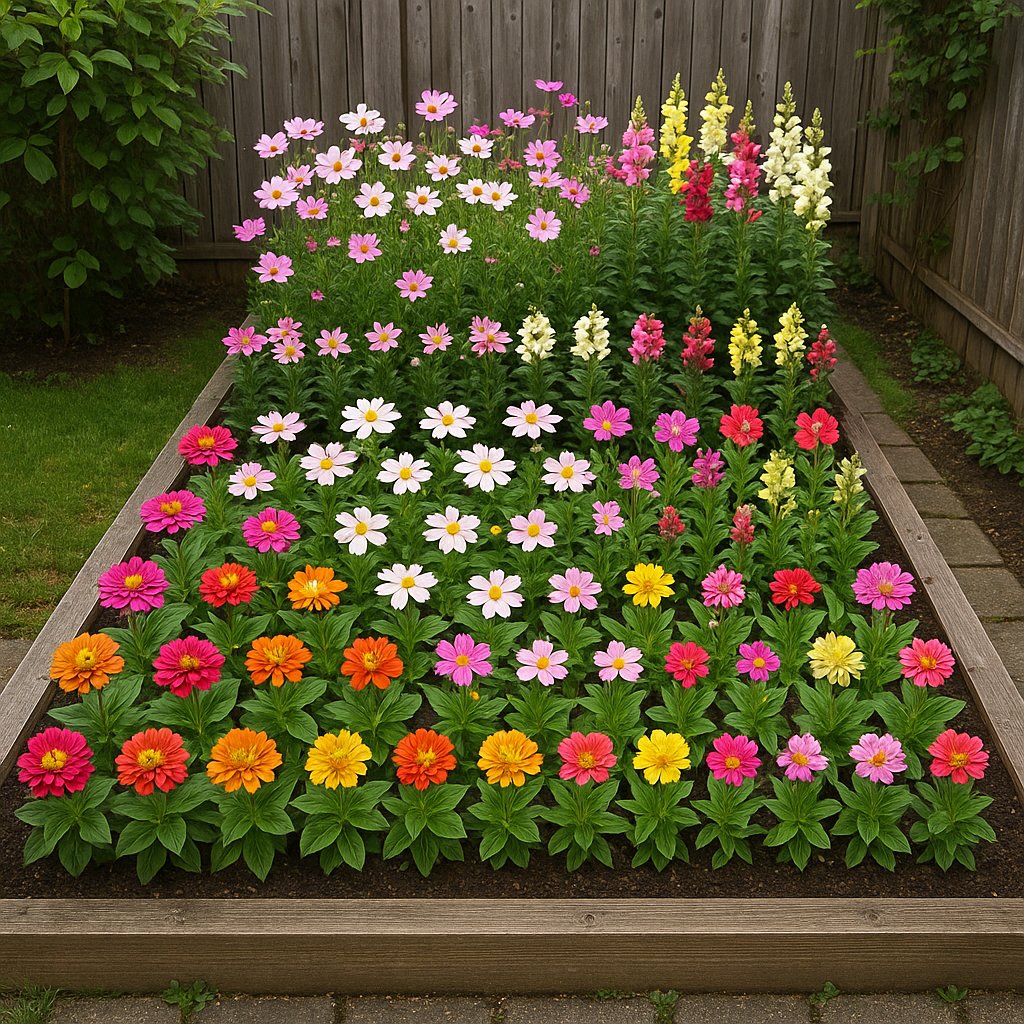
Soil preparation – the step that pays for itself all season
I’ve watched people spend $80 on specialty seeds and then plant them in compacted clay without amending it. That’s like buying premium fuel and pouring it into an engine with no oil. Soil is everything.
Here’s a straightforward approach that works in most backyard situations:
- Test your soil pH. Most cut flowers thrive between 6.0 and 7.0. Your local cooperative extension office (every state has one) can test your soil for a few dollars. It’s worth it.
- Add organic matter. Work 2 to 3 inches of well-aged compost into the top 8 to 10 inches of soil. This improves drainage in clay, water retention in sand, and fertility across the board.
- Use a balanced granular fertilizer. A 10-10-10 or similar all-purpose blend mixed in at planting time provides a solid nutritional base. Side-dress with compost or a diluted liquid fertilizer every 3 to 4 weeks during peak growing season.
One often-missed detail: avoid over-fertilizing with nitrogen-heavy products. Too much nitrogen produces lush foliage but fewer blooms – exactly the opposite of what you want.
What to plant: a practical selection strategy
Most competitor guides recommend annuals for beginners, and I agree – but I think the why matters more than the recommendation itself. Annuals complete their entire life cycle in one season. They bloom faster, produce more prolifically, and many of them actually increase flower production when you cut from them. They’re also inexpensive to grow from seed, so failures don’t hurt your wallet.
The backbone: reliable annuals for first-year growers
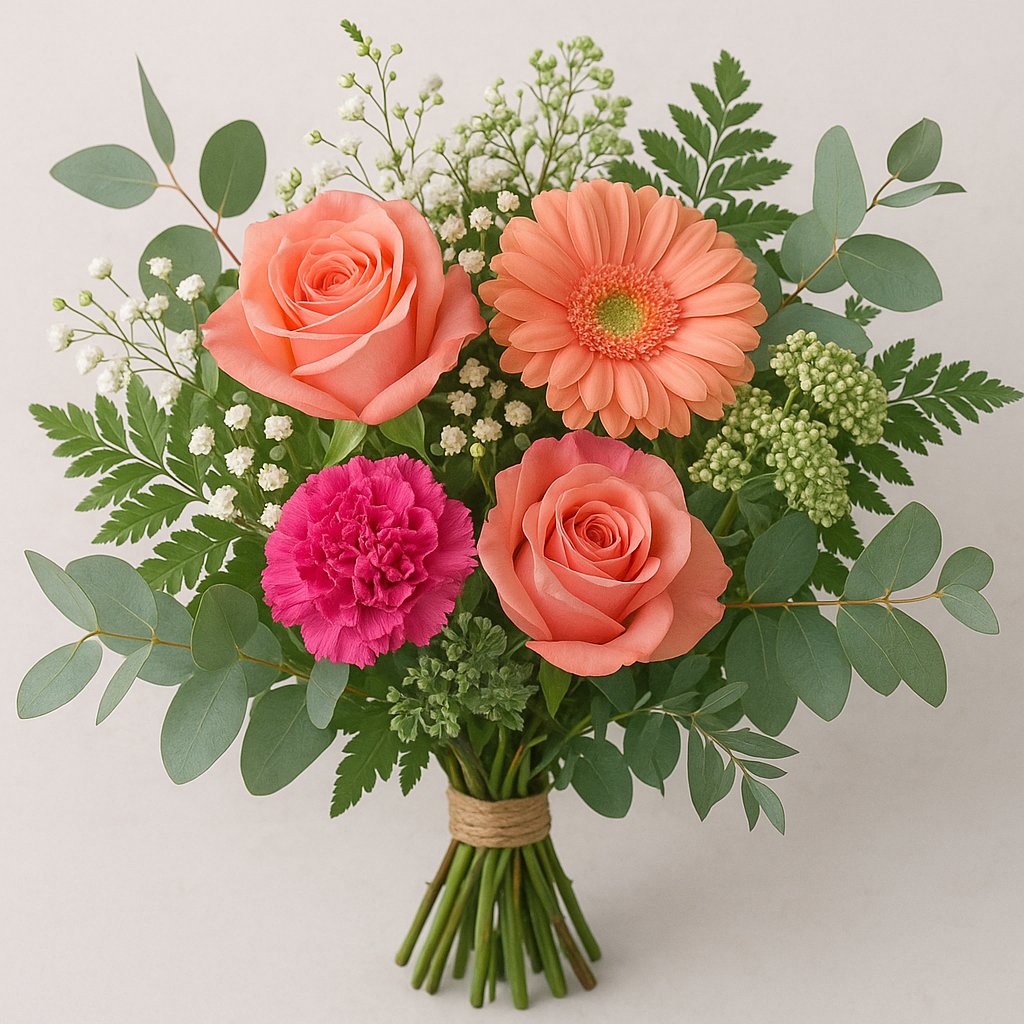
- Zinnias – the single most productive cut flower you can grow. The “Benary’s Giant” and “Queen Lime” series produce dinner-plate-sized blooms on 30-inch stems. Direct sow after your last frost date.
- Cosmos – airy, elegant, and virtually impossible to kill. Great for filler and volume in arrangements.
- Sunflowers – choose branching varieties like “ProCut” series for multiple stems per plant rather than one giant single head.
- Snapdragons – a cool-season star. Start seeds indoors 8 to 10 weeks before last frost. They bloom early, take light frosts, and add vertical structure to bouquets.
- Celosia – heat-loving and drought-tolerant. Varieties like “Chief Mix” produce stunning plume-shaped flowers that last over a week in water.
Don’t forget the supporting cast
A bouquet of all focal flowers can look flat. You need variety in form and texture. This is a gap I notice in many beginner guides – they list pretty flowers but skip the elements that make arrangements look professional.
- Fillers: Ammi majus (Bishop’s flower), feverfew, statice
- Textural accents: Amaranthus (love-lies-bleeding), ornamental grasses, nigella seed pods
- Greenery: Eucalyptus (in warmer zones), basil (yes, regular basil), dusty miller, bells of Ireland
A good rule of thumb: for every three focal flower varieties, plant at least two filler or accent varieties.
Seeds vs. transplants – and when to start each
Some flowers do best when sown directly into the garden. Others need a head start indoors. Here’s a quick breakdown:
Direct sow outdoors after last frost: zinnias, cosmos, sunflowers, marigolds, celosia. These resent root disturbance and germinate quickly in warm soil.
Start indoors 6 to 10 weeks before last frost: snapdragons, stock, lisianthus, dahlias (from seed), strawflowers. These need more time to reach blooming size.
Plant as bulbs or tubers: dahlias, ranunculus, anemones. Dahlias go in after your last frost; ranunculus and anemones typically get pre-sprouted and planted earlier, depending on your zone.
One technique that makes a massive difference: succession planting. Instead of sowing all your zinnia seeds at once, plant a batch every two to three weeks from late spring through early summer. This staggers bloom times so you aren’t drowning in flowers for two weeks and then have nothing for the rest of August.
Maintenance that actually matters: pinching, staking, and deadheading
Three tasks will dramatically increase your harvest. None of them take much time, but all of them are easy to skip – and skipping them is the most common mistake I see beginners make.
Pinching
When plants like zinnias, cosmos, snapdragons, and dahlias are about 10 to 12 inches tall, cut the main stem back to just above a set of leaves. This feels counterintuitive – you’re cutting off perfectly healthy growth. But pinching forces the plant to branch out, producing multiple flowering stems instead of just one. The result? Three to four times more blooms per plant.
Staking and support
Tall stems loaded with flowers will topple, especially after rain. The easiest support method for a backyard garden is the “corral” approach: pound four stakes at the corners of your bed and run horizontal netting (like Hortonova or even simple garden twine) at 12-inch intervals as plants grow. The stems grow up through the grid and stay upright naturally.
Deadheading
If you miss cutting a flower and it goes to seed, the plant thinks its job is done and slows down production. Remove spent blooms regularly to keep the plant focused on producing new flowers. This is especially critical with zinnias, sweet peas, and cosmos.
Harvesting and conditioning – where most vase life is won or lost
You can grow the most stunning dahlias in your neighborhood, but if you harvest them wrong, they’ll droop within 24 hours. Here’s how to do it right:
- Cut in the early morning or late evening – stems are fully hydrated and ambient temperatures are cool.
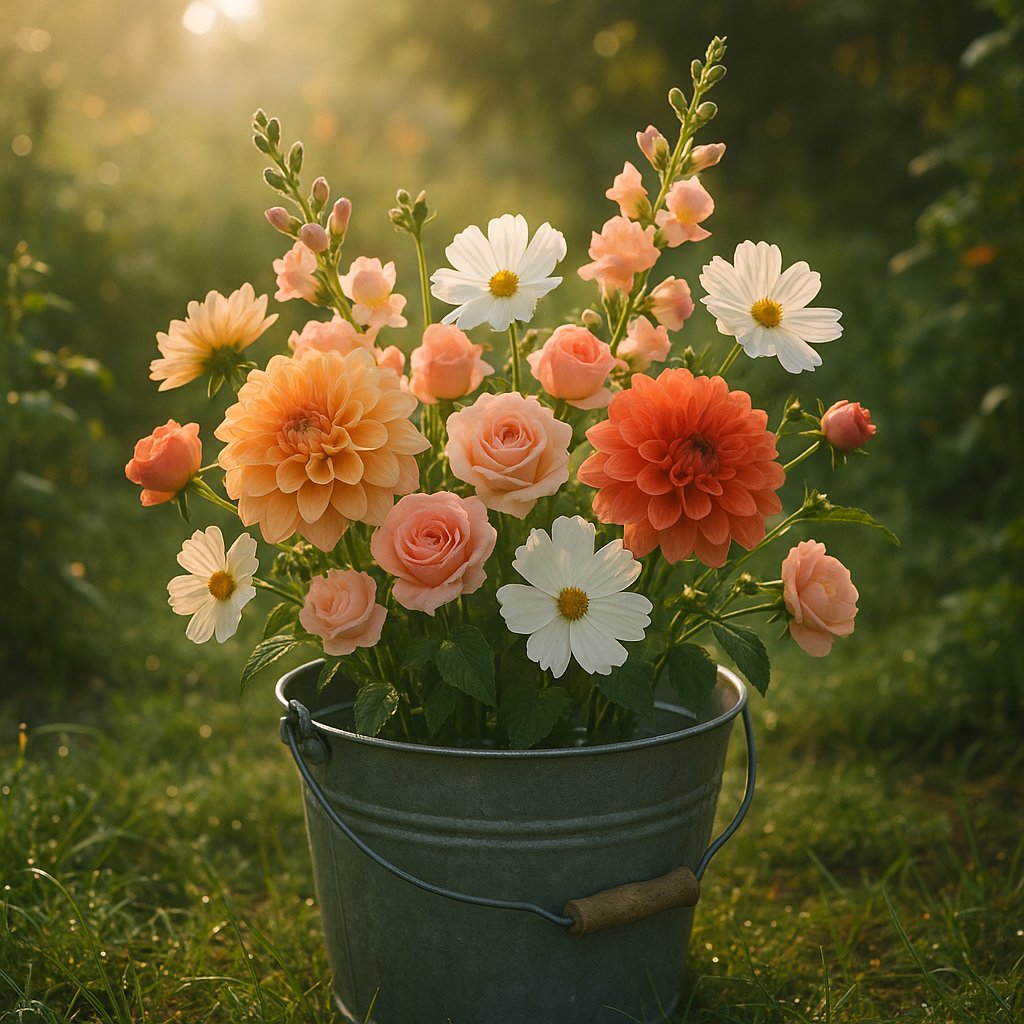
- Bring a bucket of cool water to the garden. Plunge stems in immediately after cutting. Don’t let them sit on the grass or a bench while you keep harvesting.
- Cut at the right stage. This varies by flower. Zinnias should be fully open with a firm center (wiggle the stem – if the head wobbles, it’s not ready). Sunflowers are best cut when petals have just started to lift off the face. Snapdragons should have the bottom third of florets open.
- Strip foliage below the waterline. Leaves submerged in vase water decompose rapidly and breed bacteria, which clogs stems and shortens life.
- Let stems rest in cool water for at least 2 hours in a dark, cool spot before arranging. Professionals call this “conditioning,” and it can add 3 to 5 days to vase life.
A tablespoon of bleach per gallon of vase water keeps bacteria in check – it’s more effective than most commercial flower food packets, and you already have it in your laundry room.
Extending the season: blooms from spring through hard frost
One area most guides skip entirely is how to stretch your cutting season beyond the typical July-through-September window. With a little planning, you can have homegrown bouquets for five or even six months.
- Early spring (March–May): Plant cool-season crops like sweet peas, stock, ranunculus, and Iceland poppies. In Zones 7 and above, these can go in during fall for spring bloom.
- Summer peak (June–August): Zinnias, dahlias, sunflowers, lisianthus, and celosia carry the bulk of the season.
- Late season (September–October): Dahlias peak in fall. Strawflowers and statice keep going until hard frost. Ornamental grasses and seed heads add texture even as annuals fade.
Succession planting, mentioned earlier, is your single most powerful tool here. Combined with a mix of cool-season and warm-season varieties, it turns your small patch into a near-continuous production system.
Your backyard bouquets start with a single weekend
Growing cut flowers is one of those rare gardening pursuits where the learning curve is gentle and the rewards come fast. You don’t need perfection – you need to get seeds in the ground and stay consistent with a few key practices like pinching, watering, and harvesting at the right time.
Start with three or four easy annuals this season. Pay attention to what thrives in your specific conditions. Keep notes – even rough ones – about what bloomed when and how long it lasted in a vase. That firsthand knowledge, accumulated over just one or two seasons, will be more valuable than any guide. And the jar of zinnias on your kitchen table? That’ll be the part that makes it all worthwhile.